 tinmankinetics
Talk to us
tinmankinetics
Talk to us
Built here. Running out there.
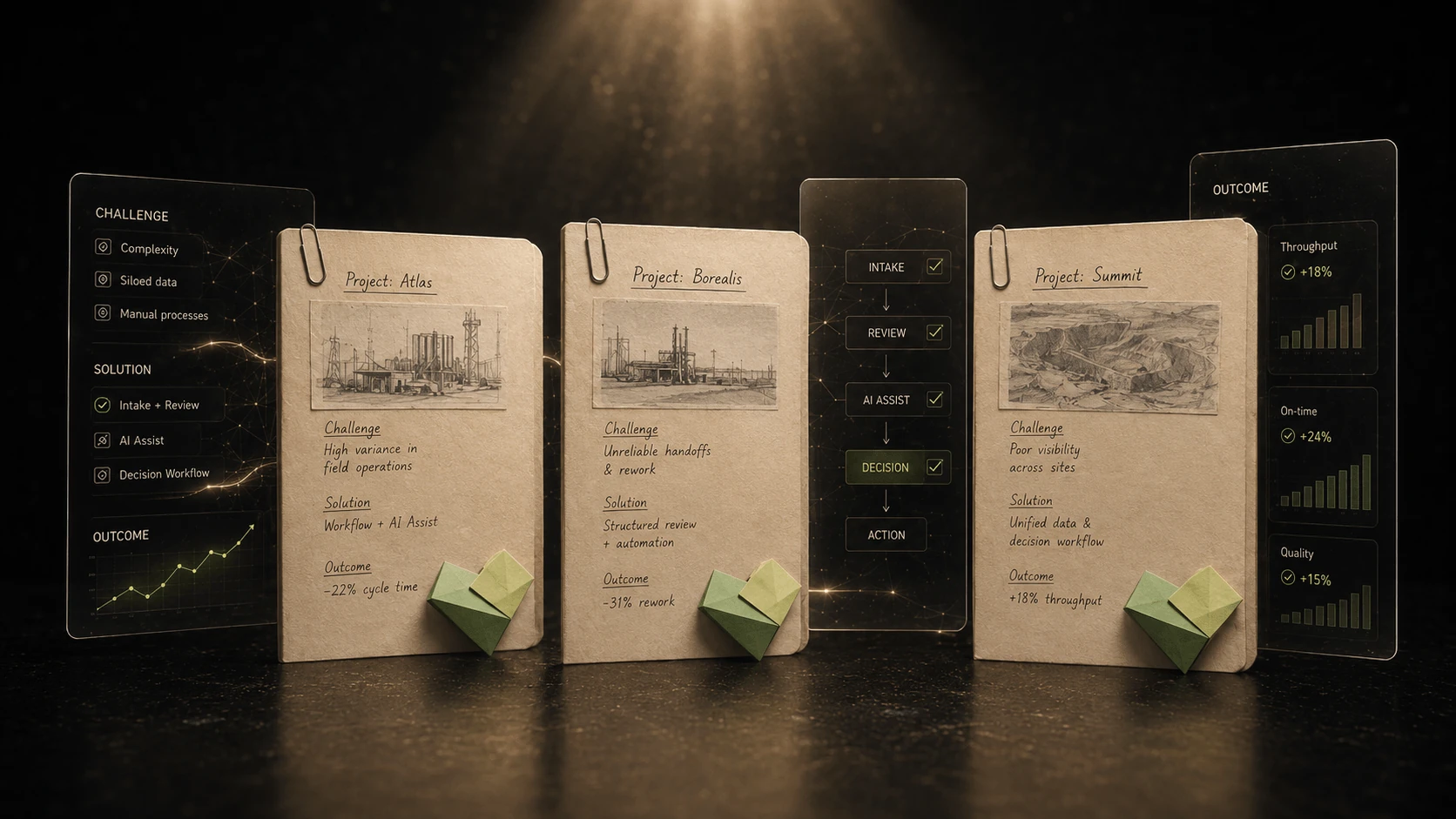
Every project here follows the same pattern. Start with the people. Put AI where it earns its place. Let the result prove itself in the field.
Three that show the range.
The build that became a company.
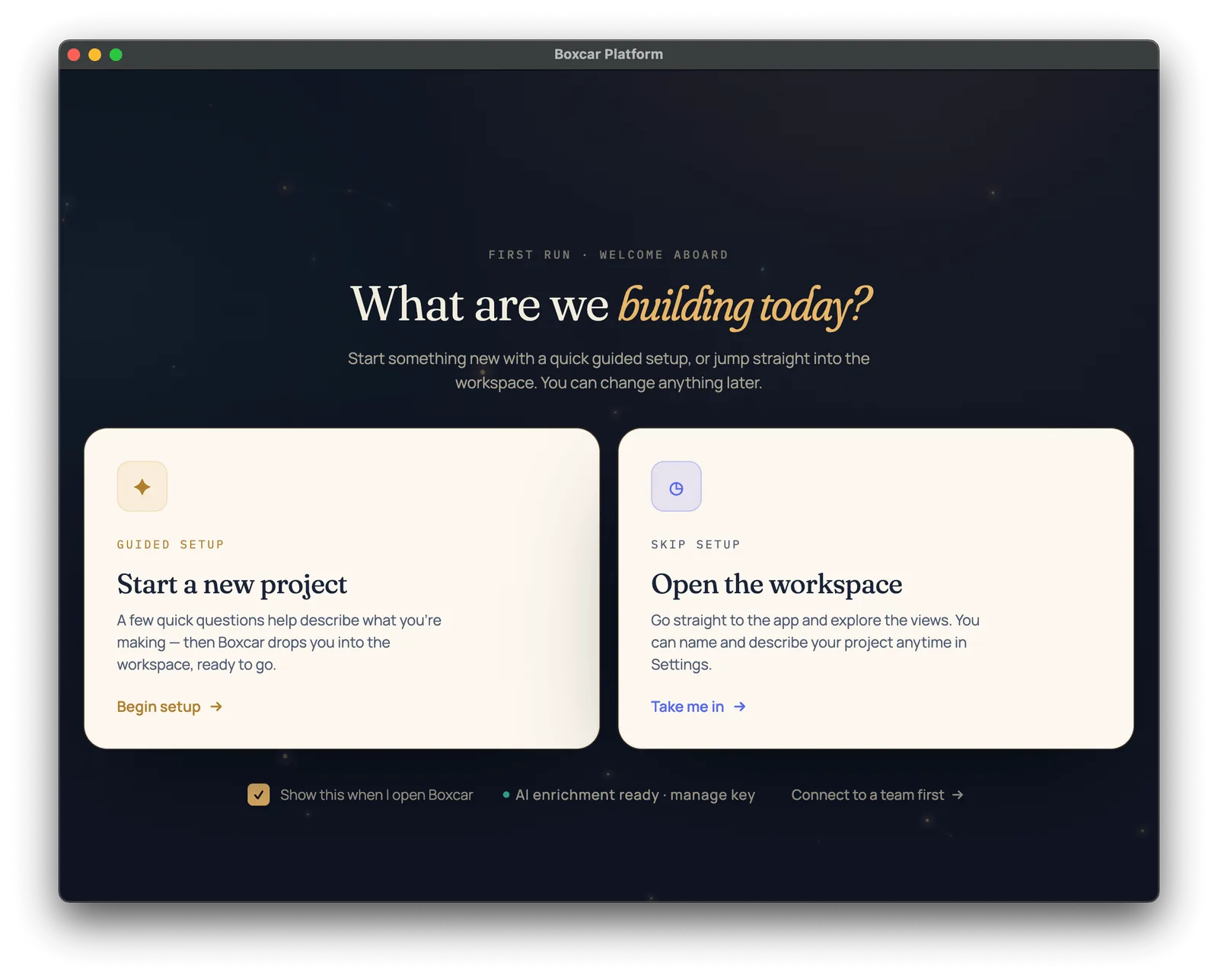
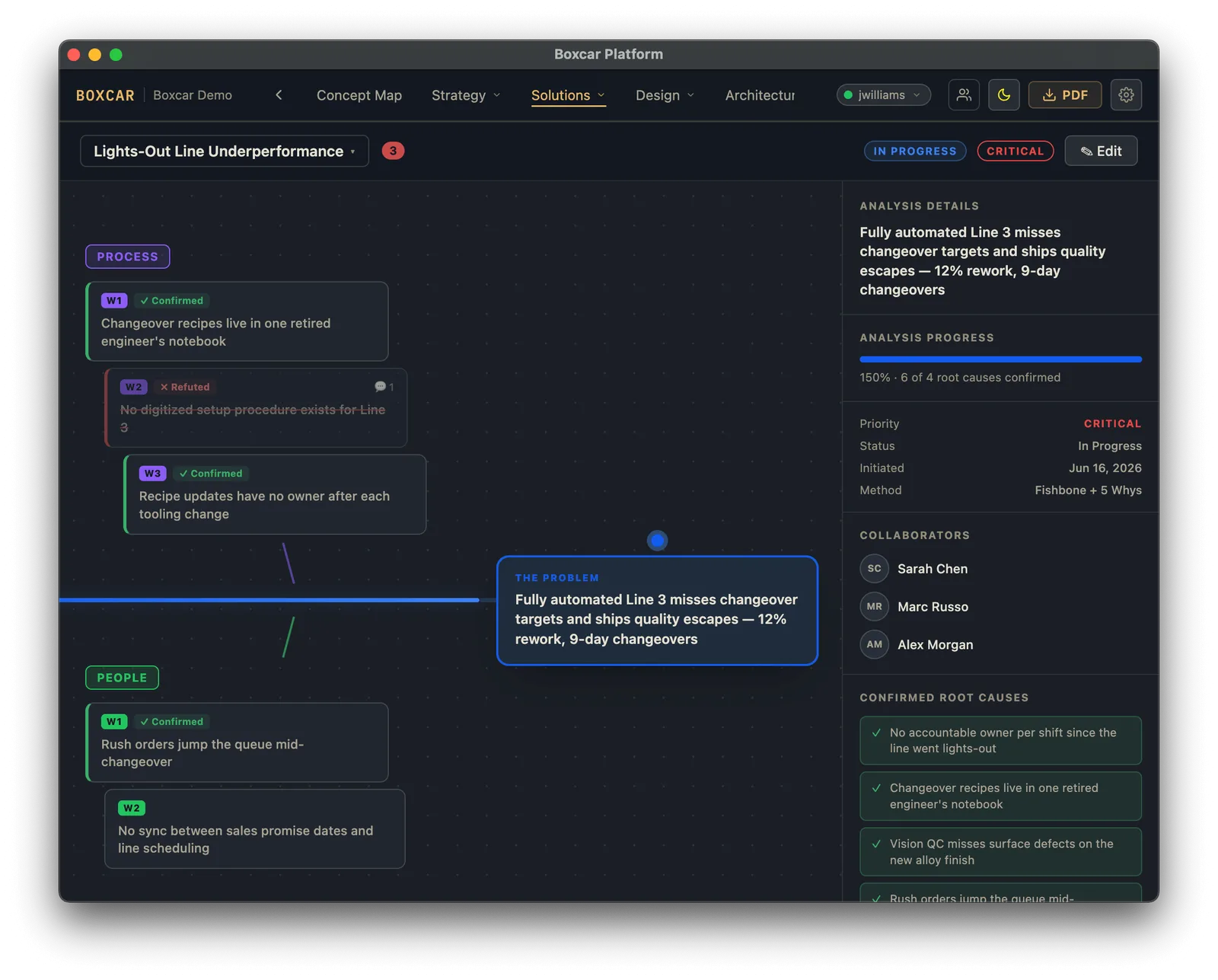
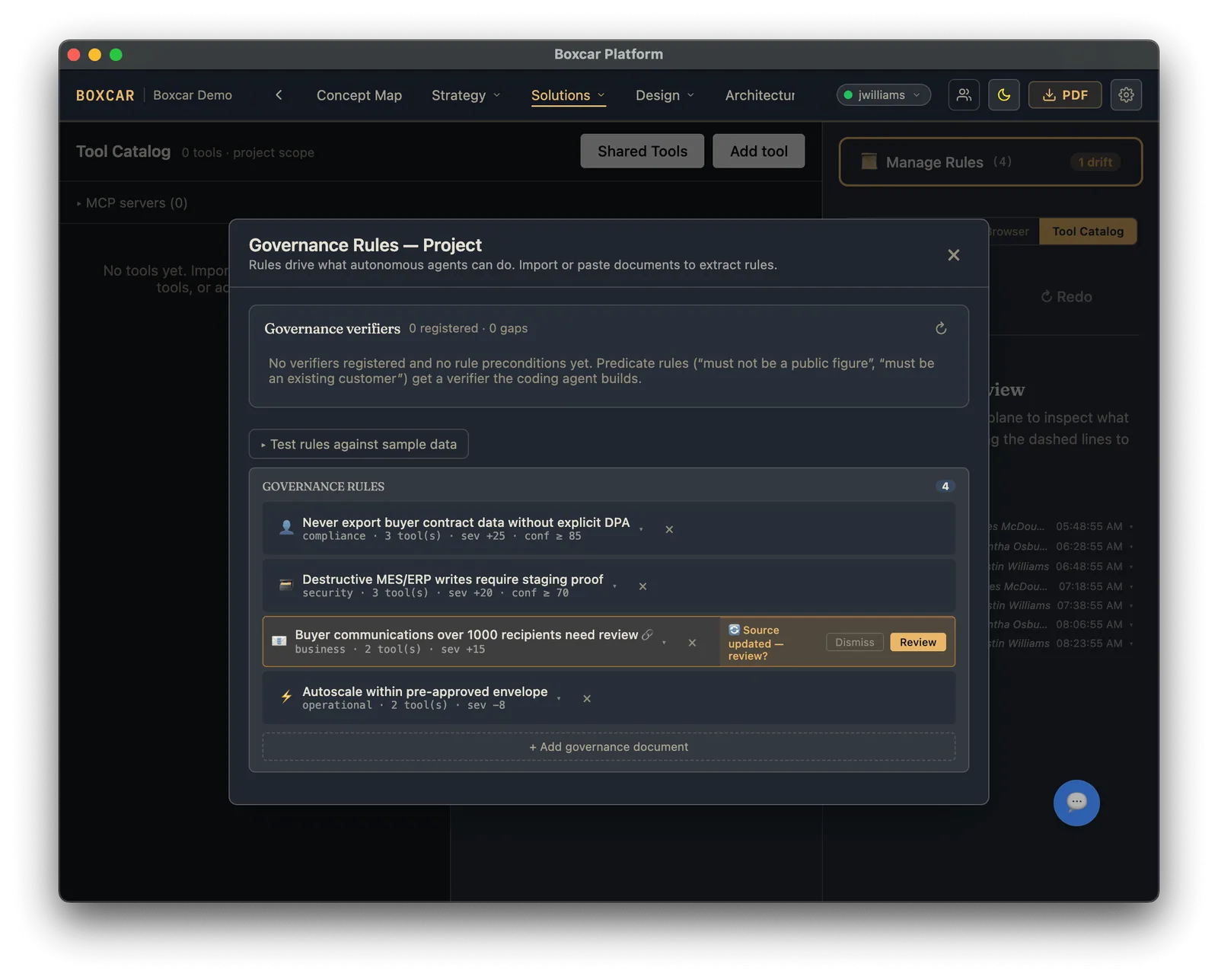
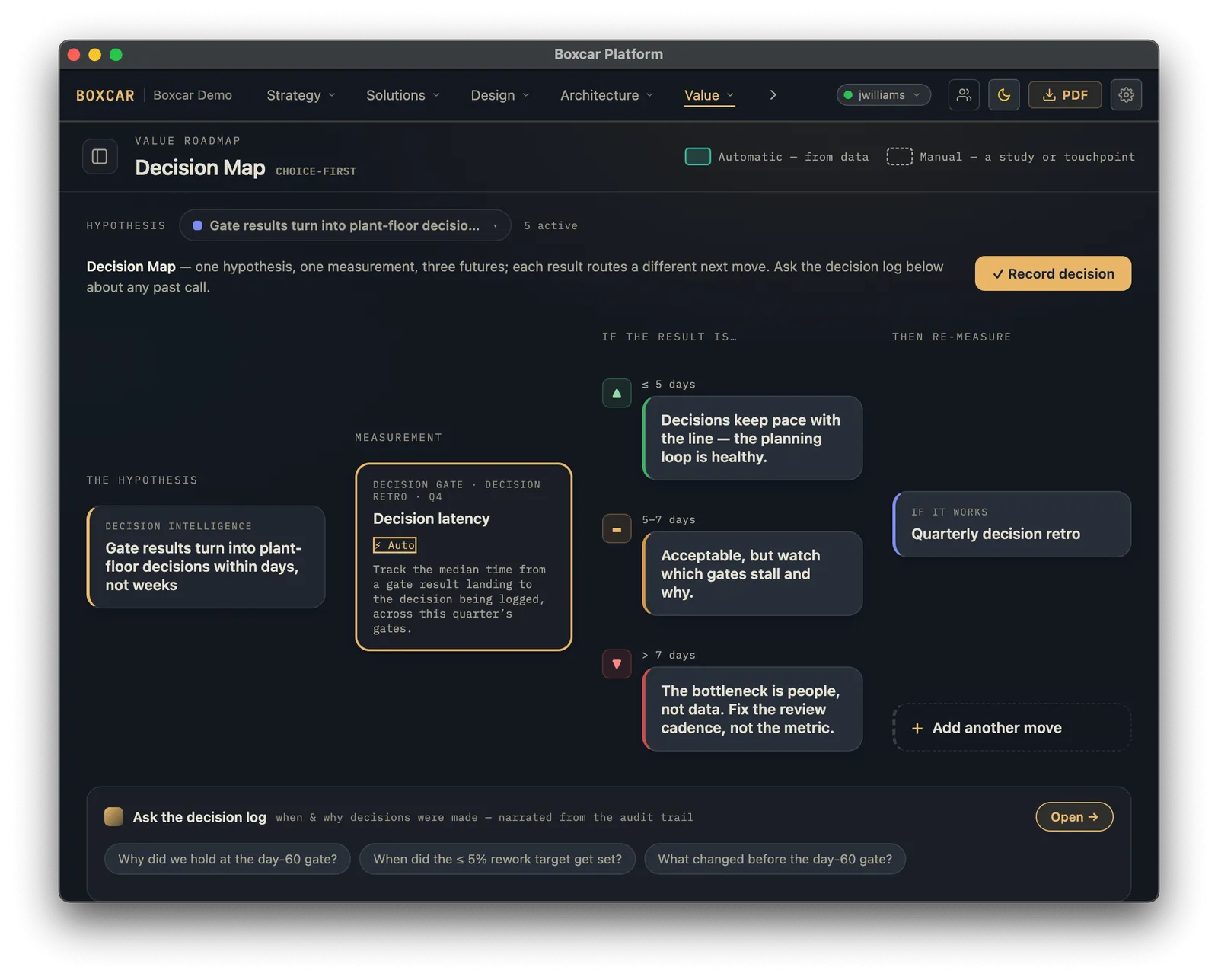
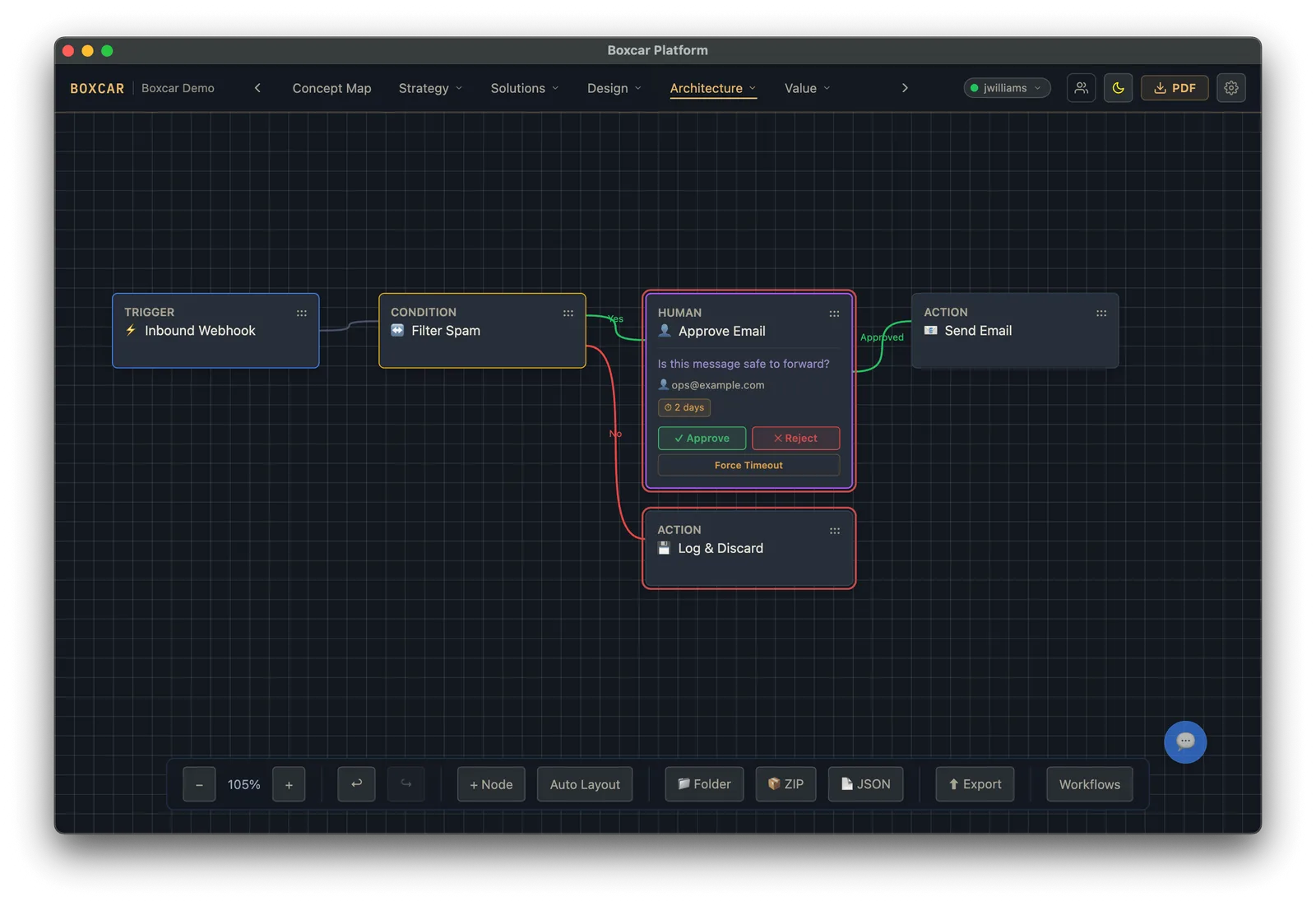
In 2018 we built the Boxcar Cloud Platform for our own delivery work: a place where AI transformation happens under deterministic control. Challenge the ask. Build with constrained agents inside explicit limits. Prove the value in the customer's own numbers.
It worked too well to stay a tool.
The pattern proved larger than one client or one studio, so we gave it a company and room to grow. Boxcar is now our sister company, with its own team, its own customers, and its own story at boxcar.ai. It remains the clearest proof of what we mean by building: a real problem, worked honestly, until the solution deserved a life of its own.
NASA asked for a model. The obstacle was never the model.
The brief
A NASA SBIR program for launch autonomy: a model performing under strict circumstances, in environments where humans must stay in the loop but cannot be in the moment. At 22 minutes of round-trip signal delay, there is no moment to be in.
The contrarian start
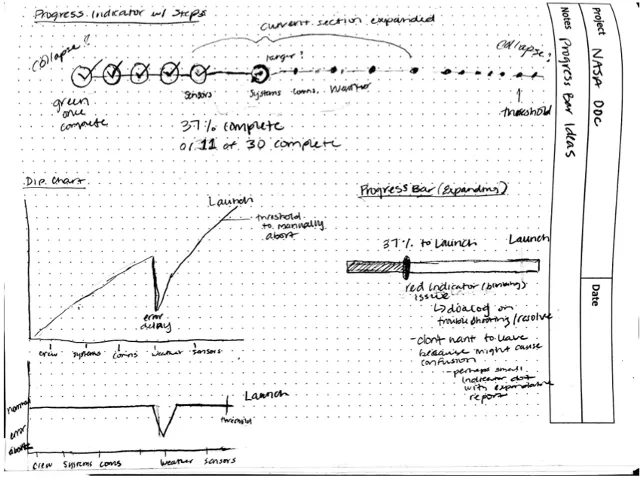
Instead of starting with the model, the team started at the human touchpoints: what ground control would see, question, and have to trust.
The discovery
Within weeks the real obstacle was clear. Not whether the model could perform, but whether the people responsible could trust it. Trust, not capability, was the bottleneck.
The machinery
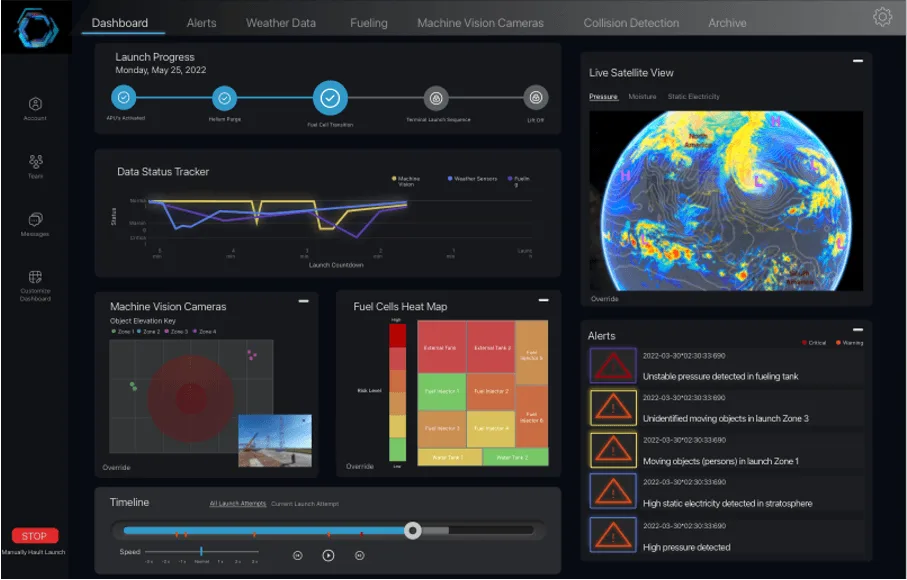
A dashboard where operators simulate the model's calls, inspect its reasoning, and feed corrections back. Trust you can rehearse before you have to rely on it. Edge inference on the vehicle; the cloud for what does not have to ship.
The payoff
The trust machinery turned out to be exactly what terrestrial launch operations need today. What was built for Mars-distance autonomy became valuable on the pad, and mission profiles that could not be designed before became designable.
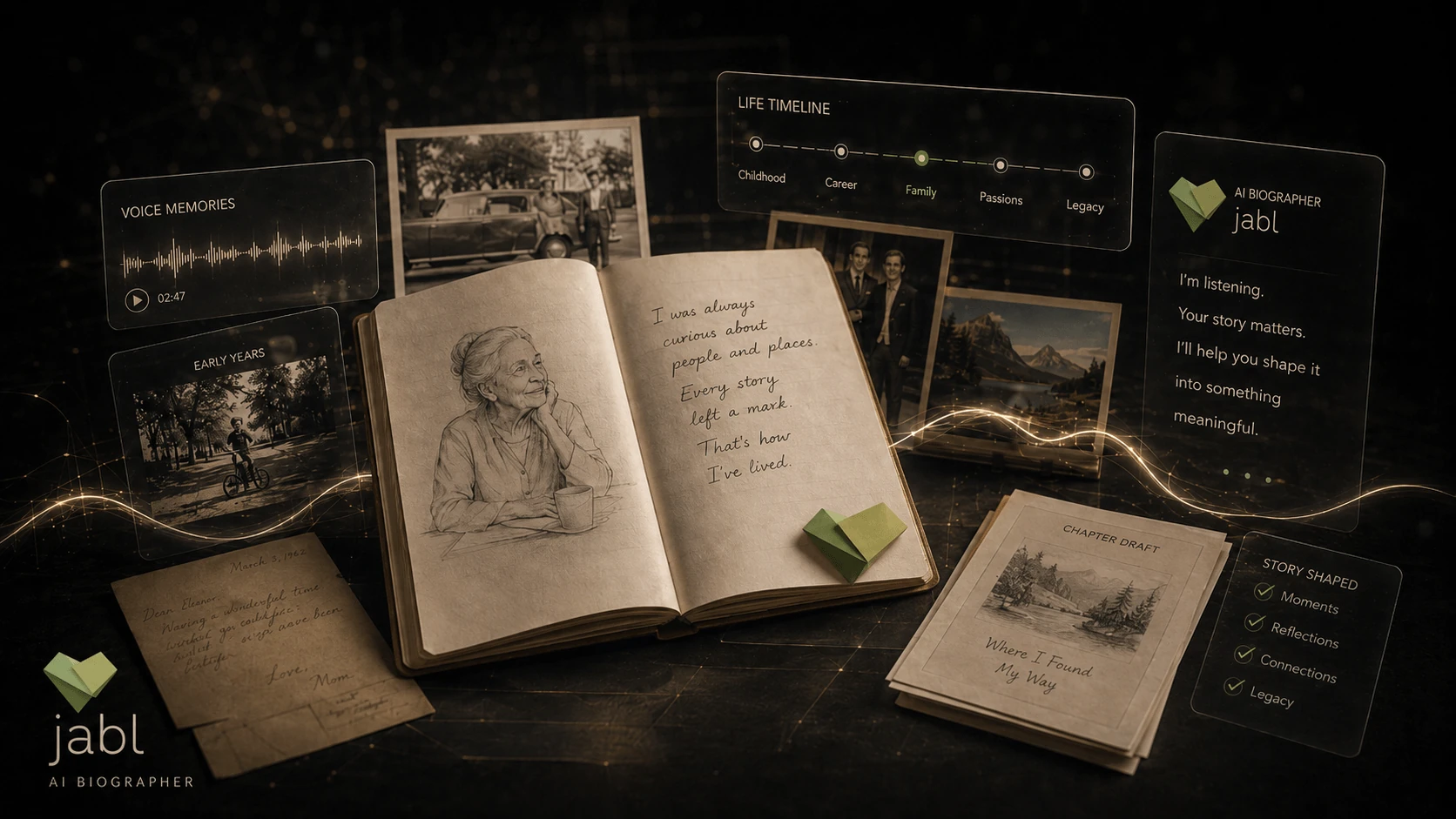
The AI Biographer.
Our first build, born out of the AI XPRIZE: software that listened to a person's life and helped tell it. Voice memories became timelines. Timelines became chapters. The person stayed the author.
It taught us the founding lesson we have carried into every project since. The interesting part of AI was never the model. It is the person across from it.
Your project could be the next one here.
Tell us the hard problem. A person reads it, thinks about it, and replies with an honest first take.